
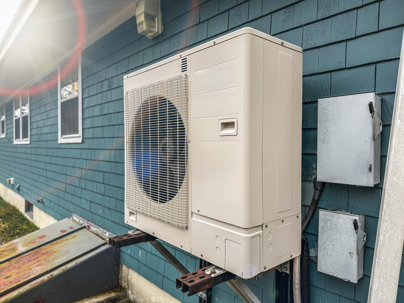
Your heat pump might be quietly running a defrost cycle every few minutes, burning through electricity and still leaving your home feeling chilly. You may see steam pouring off the outdoor unit, hear a loud whoosh, or notice the fan stopping, all while your power bill climbs. Many homeowners are told this is just how heat pumps work in winter, especially on damp Greenville days.
In reality, there is a big difference between a system that defrosts properly and one that is stuck in a pattern of unnecessary or failed defrost cycles. When defrost controls are set up wrong, or when a sensor is strapped in the wrong place, your heat pump loses efficiency, leans on expensive auxiliary heat, and can even ice over. The frustrating part is that you cannot see these control mistakes, but you feel them in your comfort and your monthly bill.
At Five Star Plumbing Heating Cooling and Electrical, we have been working on heat pumps across Upstate South Carolina and parts of Western North Carolina since 1984. Over thousands of service calls, we repeatedly find hidden issues such as mislocated defrost sensors, miswired controls, and boards left on factory settings that do not match our climate. In this article, we will walk through how defrost should work, how improper defrost cycles destroy efficiency, and what it looks like when our technicians diagnose and correct these problems in local homes.
Why Heat Pumps Need Defrost Cycles in Our Climate
A heat pump in heating mode is basically an air conditioner running in reverse. Instead of moving heat from inside to outside, it pulls heat from the outdoor air and brings it indoors. To do that, the outdoor coil has to run colder than the outside air, which means that on a 35 degree Greenville morning, that coil can be down near or below freezing. That temperature difference is what lets the refrigerant absorb heat from the air.
Our winters in Upstate South Carolina are often damp, with temperatures hovering in the 30s and low 40s and plenty of moisture in the air. When that moist air passes over a cold outdoor coil, frost naturally forms. A light layer of frost is normal. The problem starts when frost builds into a thick layer of ice, blocking airflow, choking off heat transfer, and forcing the system to work much harder to keep your home comfortable.
This is where the defrost cycle comes in. During defrost, the system temporarily changes how it operates so the outdoor coil warms up enough to melt the ice. The outdoor fan usually stops, you may hear a noticeable whoosh as the reversing valve shifts, and steam can pour off the unit as the ice melts. A normal defrost cycle in our climate is brief and occasional, usually just long enough to clear the coil before the system returns to heating your home.
Constant frost, thick ice that never seems to go away, or a system that appears to be defrosting almost all the time are not normal. Those are signs that something in the defrost control system is not working the way the manufacturer intended. The rest of this article explains why that happens and why it hits your power bill so hard.
How Defrost Controls Decide When to Run
Defrost is not random. Your heat pump relies on a defrost control board, essentially a small computer, to decide when to start and stop each defrost cycle. That board watches the outdoor coil temperature, the amount of time the system has been running in heating mode, and sometimes the outdoor air temperature to decide when the coil needs to be cleared. It then coordinates what the compressor, outdoor fan, and auxiliary heat do during that cycle.
Most residential systems use either time and temperature defrost or demand defrost. In a time and temperature setup, the board waits for a certain amount of compressor run time, then checks the coil sensor to see if the coil is cold enough and frosted. If it is, the board puts the system into defrost. If not, it waits for the next interval. Demand defrost is more sophisticated and looks at coil temperature compared to outdoor air temperature to determine when frost is actually forming, which can reduce unnecessary defrost cycles.
The outdoor coil temperature sensor is critical here. It is usually a small thermistor strapped to a specific point on the coil tubing. The board expects this sensor to reflect the coil surface temperature accurately. Some systems also have an ambient sensor that tells the board how cold the surrounding air is. With those inputs, the control can decide when the coil is cold and frosted enough to justify a defrost and when it has warmed back up enough to exit defrost and return to normal heating.
During a proper defrost cycle, the outdoor fan shuts off so the coil can warm quickly, the reversing valve shifts the system so hot refrigerant flows through the outdoor coil, and the indoor unit may turn on auxiliary heat to keep supply air reasonably warm. Once the coil sensor reports that the coil has reached a set temperature, or once a time limit is reached, the board ends the cycle and goes back to heating mode. When we install or service systems, our technicians follow manufacturer instructions for how that board should be configured, instead of assuming the factory default is right for every situation.
If any part of this chain is off, the board makes bad decisions. The next section explains why the most innocent looking detail, where the sensor is clipped and how well it touches the coil, can completely throw off defrost behavior.
Improper Sensor Placement Throws Defrost Into Overdrive
The defrost sensor is small, but it plays a huge role. Manufacturers specify exactly where and how to mount it, usually pressed firmly against a particular part of the coil tubing, with a clip or strap that keeps good contact. That placement is chosen so the sensor sees the coldest part of the coil where frost is likely to form. If the sensor is in the wrong place or not touching properly, the control board gets the wrong picture of what is happening outside.
In the field, we often find sensors clipped to a convenient tube instead of the specified location, dangling slightly away from the coil, buried under insulation, or strapped so loosely that air flows between the sensor and the metal. Sometimes a replacement coil or repair moves tubing around and the sensor never gets remounted where it belongs. To the eye, the unit looks fine. To the board, the readings are now off by several degrees or more, which changes when and how defrost runs.
Imagine a damp 38 degree evening in Greenville. On a correctly mounted sensor, the board sees the coil cool down, frost begin, and then, after a reasonable run time, initiates a brief defrost two or three times an hour. If the sensor is hanging in warmer air, it may not report that the coil is frosted, so the system may not defrost properly and ice can slowly choke the unit. If the sensor is buried against a hotter section of tubing, it may tell the board the coil is freezing long before it actually is, so the unit defrosts over and over even when there is little frost to clear.
From the homeowner’s point of view, both situations look like trouble. In the first, you see thick ice on the outdoor unit that never seems to melt away, and indoor comfort drops because the system struggles to move heat. In the second, you see frequent steam, hear the unit ramping and shifting often, and your bill spikes because the system spends too much time in defrost and auxiliary heat. In both, the root cause can be as simple as a sensor that was never mounted where the manufacturer intended. Many heat pump defrost issues we address in Upstate homes come down to correcting that small but critical detail.
How Faulty Defrost Shows Up on Your Bills & In Your Home
From inside the house, you never see the defrost board or the coil sensor, but you do feel the consequences. One of the first signs of heat pump defrost issues is an electric bill that jumps sharply in the colder months, even on weeks when the weather has been relatively mild. Another is a home that never feels fully comfortable, with rooms that stay cooler than they used to, even though the system seems to run constantly.
Some amount of defrost activity is normal. Seeing a little steam roll off the outdoor unit a few times an hour on a cold, damp evening in Greenville can be perfectly healthy. What is not normal is a unit that seems to go into defrost again and again, for long stretches, or an outdoor unit that is encased in ice and never seems to clear. If you stand near the unit and hear frequent loud whooshing or clicking as it shifts modes, that can also be a hint that the controls are working harder than they should.
The invisible cost in all of this is auxiliary heat. Electric resistance heat strips, or similar backup heat sources, draw significantly more power than the heat pump itself does in normal operation. During defrost, the system often turns on auxiliary heat to keep air coming from the vents from feeling cold. If defrost cycles are happening too often or lasting too long, those strips run more, and your meter spins faster. Over a month or a season, that extra run time can easily add up to a large increase in energy use.
Homeowners are frequently told this is just the nature of heat pumps, that they cost more to run in winter or that the noise and steam are simply part of the package. Our experience suggests a different story. In many Upstate homes we visit, the pattern of high bills and noisy, frequent defrosts traces back to fixable control and sensor problems, not an unavoidable design flaw. When we review bill histories with customers, we often see a clear change that lines up with a past installation or equipment change, which is exactly when defrost settings and wiring are most likely to have been disturbed.
Why These Problems Are So Common With Local Installations
With so many systems installed and replaced across Greenville and the surrounding areas over the last few decades, you might expect defrost calibration to be routine. In practice, installation quality and commissioning habits vary widely. Under pressure to move quickly, some installers bolt in the outdoor unit, hook up the lines, connect the wiring, and rely on factory board settings without carefully checking sensor placement or fine tuning defrost for the specific system and climate.
Those shortcuts do not necessarily cause immediate breakdowns. The system runs, the home cools in summer and heats in winter, and everyone assumes the job is finished. Defrost issues are subtle. They show up as higher than necessary bills, a unit that runs longer to do the same job, or minor icing that gradually gets worse. Homeowners understandably chalk that up to age, weather, or just the way heat pumps work, rather than a few missed steps on day one.
Our local climate also plays a role. Upstate South Carolina winters are not brutally cold most of the time, but they are frequently damp and hovering near freezing. That combination produces plenty of frost on outdoor coils, so any weakness in defrost logic or sensor mounting is exposed more often. A board setting that might be acceptable in a dry climate can lead to chronic over defrosting here, and a sensor that is barely making contact might miss multiple needed defrosts during a week of cold rain.
This is why we push back against the idea that high winter bills are simply bad luck or worn-out equipment. Many of the heat pump defrost issues we see started as installation details that were never quite right. Defrost calibration and sensor checks are not tasks a homeowner is expected to handle. They belong in the commissioning process and in regular professional maintenance. When we service systems, we treat defrost operation as a key performance check, not an afterthought.
What Our Technicians Check During a Defrost Performance Visit
When you call Five Star Plumbing Heating Cooling and Electrical about strange defrost behavior or rising winter bills, we approach your system like a small investigation. Our technicians start with a visual inspection of the outdoor unit, looking for signs of heavy or uneven frost, sensor placement, and any obvious wiring issues. We check that the defrost sensor is mounted where the manufacturer intends and that it is firmly attached to the coil tubing, not hanging loosely or buried out of position.
Next, we observe the system in operation. That often means watching at least one complete heating and defrost cycle while monitoring how the outdoor fan, compressor, and reversing valve behave. We pay attention to how long it takes for frost to form, when the board decides to enter defrost, whether auxiliary heat comes on at the right times, and how the system exits defrost. This real world observation in Greenville area weather tells us more than any single meter reading can.
We also verify control board settings against the equipment and the manufacturer’s documentation. That can include checking time intervals, temperature thresholds, and mode selections designed for your specific heat pump model. If a previous installer left everything on default, or if a board was replaced without being configured, we bring those settings back in line with what the system and climate call for. Throughout this process, we use the training and screening that Five Star Plumbing Heating Cooling and Electrical is known for, combining technical knowledge with a careful, methodical approach.
Inside, we confirm that auxiliary heat is staged correctly and that the thermostat is communicating as it should with both the indoor and outdoor units. Miscommunication at this level can cause the system to overuse backup heat or cycle in ways that undermine what the defrost controls are trying to do. We document what we find in plain language, often with photos of corrected sensor positions or boards, so you can see what changed and why.
For homeowners who want to stay ahead of problems, we fold these checks into our Home Comfort Club annual inspections. Members receive priority scheduling, discounts, and regular system reviews, including a look at defrost performance before peak winter weather hits. Because we answer the phone with real people and do not charge extra for evening or weekend visits, scheduling a defrost performance visit can fit around your life instead of disrupting it.
Get Real Answers About Heat Pump Defrost Issues In Your Home
Defrost cycles are supposed to protect your heat pump, not quietly drain its efficiency. When sensors are misplaced, controls are miswired, or settings are left wrong for our climate, your system spends too much time in the wrong mode, leans heavily on auxiliary heat, and still struggles to keep your home comfortable. The signs, higher than expected bills, constant outdoor unit activity, and stubborn ice on the coil, are easy to see. The causes require trained eyes and the right testing approach.
If what you have read here sounds familiar, you do not have to accept it as the price of having a heat pump. A focused defrost performance visit from Five Star Plumbing Heating Cooling and Electrical can uncover whether your system is set up the way the manufacturer intended or whether hidden control issues are costing you money every month. We bring decades of experience in Upstate South Carolina homes, real people on the phone, and a commitment to clear communication and upfront pricing.
Call (864) 306-4898 to schedule a heat pump defrost evaluation in Greenville or the surrounding area.