
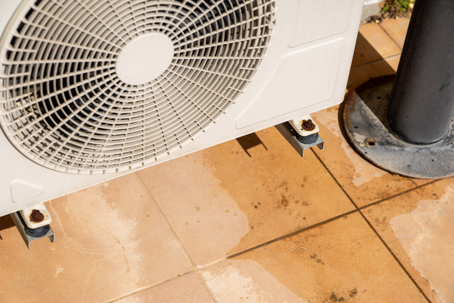
You replace a heat pump water heater long before its time, only to have the new one start tripping breakers or rusting at the base again a few years later. The installer tells you it is just “one of those things,” the manufacturer hints it might be your fault, and you are left staring at another expensive estimate. Meanwhile, the floor around the heater never seems soaking wet, so a leak feels unlikely.
For a lot of Greenville homeowners, the real problem sits out of sight under the concrete. Slow slab leaks and chronic moisture in basements quietly attack heat pump water heaters from below, year after year. The damage builds so gradually that by the time the unit fails, it looks like a random breakdown or bad luck, not the predictable end of long-term water and electricity sharing the same space.
At Five Star Plumbing Heating Cooling and Electrical, we have been working on plumbing, electrical, and HVAC systems in Upstate South Carolina homes since 1984, including many basements and slab-on-grade houses in and around Greenville. Our team sees the same pattern repeat, a water heater gets blamed, a warranty claim gets denied, and the real source, a wet slab or hidden leak, never gets addressed. In this guide, we will walk through how that happens and what it takes to fix the problem at its source.
Why Heat Pump Water Heaters React So Badly To Slab Leaks
Heat pump water heaters are different from standard electric or gas models. Instead of just heating water with elements or a burner, they use a heat pump on top of the tank that pulls heat out of the surrounding air and transfers it into the water. That setup makes them efficient and quiet, but it also packs compressors, fans, coils, and control boards into one cabinet, with a lot of electrical components sitting relatively close to the base and surrounding air.
When these units are installed in Greenville basements or on slab floors, the bottom of the tank and lower access panels are often just inches above concrete. In a dry, well-drained room, that is not an issue. In a space where the slab wicks moisture from the soil or a hidden leak, the concrete around the water heater can stay slightly damp for long periods. That thin film of moisture may not create a visible puddle, but it raises humidity right where the tank, fittings, and lower wiring live.
Constant dampness is hard on metal and insulation. Moist air around the base of the tank speeds up corrosion on steel, copper, and aluminum parts. If the insulation at the bottom of the tank gets damp, it can hold moisture against the steel shell like a sponge, encouraging rust. Electrical connections in the lower part of the unit do not get along with moisture either. Condensed water and humid air can creep into connectors and control boards, which increases the risk of shorts, error codes, or nuisance trips at the breaker.
Because we work on both traditional and heat pump water heaters every day in Upstate South Carolina, we see this contrast in the field. Units installed on dry, well-ventilated platforms tend to reach the service lives most homeowners expect. The same model installed on a sweating slab or above a slow leak often shows heavy rust around the base and recurring electrical issues years earlier, even when the installation itself looks correct.
What A Slab Leak Looks Like When You Cannot See Water
Many homeowners picture a slab leak as a dramatic blowout that sends water gushing through cracks in the floor. In reality, most slab leaks around water heater locations start as pinhole leaks in hot or cold water lines that run under or inside the concrete. These leaks can seep for months or even years, slowly releasing water into the soil and slab with no obvious surface pooling.
Water under pressure does not just rise straight up. It tends to spread sideways through the path of least resistance, saturating soil under the slab and soaking into the concrete from below. Concrete is porous, so it acts like a wick. Capillary action pulls water upward through tiny pores, often creating a zone of dampness at or near the surface without forming a standing puddle. The floor may feel slightly cool or musty rather than visibly wet.
From the homeowner’s point of view, this shows up as hints rather than clear evidence. You might notice a persistent earthy odor around the water heater or mechanical room that does not go away. The concrete near the unit may show a faint white powder, called efflorescence, where dissolved minerals from the water have migrated to the surface and dried. Metal pan edges or the tank bottom can leave rust rings on the slab, even though you never see active drips from the tank itself.
In Greenville slab-on-grade homes, we are often called after multiple “no leak found” visits, where plumbers checked visible lines and fittings above the floor and saw nothing. Once we start looking beyond what is above the slab, use pressure tests on buried lines, or check for temperature differences and moisture, a slow slab leak shows itself. The key takeaway is simple. If you wait for an obvious puddle before suspecting a slab leak, you can easily miss years of hidden moisture slowly undermining your water heater.
How Chronic Moisture Shortens Heat Pump Water Heater Lifespan
Moisture around a water heater does not just make the room uncomfortable. It changes the chemistry and physics that determine how fast parts wear out. When the bottom of the tank and nearby connections stay damp, galvanic corrosion speeds up. Different metals in contact with each other and with mineral-rich water start trading ions more aggressively, which eats away at fittings, nipples, and tank walls in the damp zone.
Inside the tank, the anode rod is designed to corrode first to protect the steel shell. In a dry environment, that sacrificial protection can last many years. When a slab leak or wicking concrete keeps the tank base and lower sidewalls damp, the surrounding metal is constantly exposed to oxygen and moisture from the outside as well as inside. The anode can be consumed faster, and once it is gone, rust attacks the tank more aggressively. You see the results as heavy rust around the bottom seam, weeping at fittings, or discolored water near the end.
Electrical components also suffer. Heat pump water heaters rely on sensors, wiring harnesses, and control boards to manage both the heat pump and backup elements. Damp air and condensation can find small gaps in gaskets or wire penetrations and condense on cooler surfaces inside the electrical compartment. Over time, this leads to intermittent faults, corrosion on board traces, and increased likelihood of a short that trips the breaker. Homeowners experience this as random error codes, resets that only fix things for a short time, and breakers that seem to trip for no obvious reason.
In a dry basement or utility room, a heat pump water heater can serve for many years before these issues show up. In Greenville homes where we find chronic slab moisture under or near the unit, we often see similar equipment fail noticeably sooner. The exact number of years varies, but the pattern is consistent. Tanks rust out at the base first, fittings look heavily corroded, and electrical failures cluster around damp locations. The unit gets blamed, but the environment quietly drove the early breakdown.
Because our team works across plumbing and electrical, we can trace these failures from both angles. We do not just swap a control board and move on. We look at the concrete, the moisture patterns, and the corrosion on connections to decide whether this is a single bad part or a symptom of a water problem working on the heater from the outside in.
Warning Signs Your Water Heater Problems May Be Slab-Related
Not every water heater issue points to a slab leak, but certain patterns should raise your suspicion. One of the biggest red flags is repetition. If you have had more than one heat pump or standard water heater fail in the same location with similar symptoms, especially rust at the base or recurring electrical trouble, it is worth asking whether the environment is causing the pattern. A single rushed replacement can miss that connection, but repeated failures are trying to tell you something.
Environmental clues around the unit offer more hints. A musty smell that lingers near the water heater or mechanical room, even when there are no visible puddles, often indicates moisture in concrete or framing. Efflorescence, the white powdery residue on concrete, shows that water has been evaporating and leaving minerals behind. Rust streaks or rings where the tank meets the slab, or on the edges of a metal pan, suggest that moisture has been present more often than you realized.
Nearby building materials tell a story too. Baseboards, trim, or lower drywall near the water heater that swell, discolor, or warp can signal that moisture is wicking up from the slab. In some cases, homeowners notice a specific spot on the floor that feels warmer, especially near hot water lines, which can point toward a sub-slab hot water leak. Electrical symptoms, such as breakers that trip without an obvious overload or error codes that return shortly after a reset, can also line up with dampness reaching control components.
Some of these things you can safely check yourself, such as looking for staining on concrete, sniffing for persistent musty odors, or gently feeling for warm patches on accessible flooring. Others, like measuring moisture levels, testing pressure on buried lines, or opening electrical compartments, are safer in professional hands. During annual visits for our Home Comfort Club members, our team looks for exactly these kinds of early warning signs. Catching them at this stage gives you more options than waiting for a full tank rupture or a major electrical failure.
How We Diagnose & Address Water Heater Slab Leaks In Greenville
When we respond to a water heater call in Greenville where the symptoms suggest more than a simple part failure, we treat it like an investigation. We start by listening. How many times has this water heater been serviced or replaced? What were the past symptoms? Has anyone mentioned moisture issues, musty smells, or prior slab or plumbing repairs? That history often points us toward or away from slab-related trouble before we even pick up a tool.
Next, we look at the water heater itself and its immediate surroundings. We check for rust patterns around the base, signs of past leaks, and how the condensate from a heat pump water heater is being handled. A misrouted or clogged condensate line can create localized damp spots that mimic some slab leak symptoms or make them worse. At the same time, we examine the slab or floor around the unit for efflorescence, staining, or subtle dampness. In basements, we take note of how close the heater is to exterior walls or known wet areas.
If the signs point toward a possible slab issue, we step beyond the unit. That can include checking water pressure when fixtures are off to see if a leak is drawing down pressure, isolating lines that run under the slab, or using temperature differences to track where hot water may be leaking underground. On the electrical side, we inspect connections and boards for moisture traces or corrosion that match the damp areas on the slab. Because our company handles plumbing, electrical, and HVAC, the same team can follow these clues across systems instead of stopping at the edge of one trade.
Once we have a clearer picture, we walk you through the findings in plain language. If a slab leak or chronic moisture is likely, we discuss repair options, such as pinpointing and fixing the leak, rerouting lines, improving drainage or dehumidification, and then planning a replacement water heater installation that protects the new unit from the same conditions. Our trucks carry a wide range of parts and materials, so we can often stabilize the immediate problem on the first visit while we schedule any concrete or re-piping work that might be needed.
We know that a failed water heater or suspected slab leak does not wait for a convenient time. That is why we offer 24/7 service for plumbing, heating, cooling, and electrical calls without extra fees for nights or weekends. Before any work begins, we provide clear, upfront pricing so you know what to expect, and we can discuss financing options if the repair scope is larger. Our approach is simple. Find the root cause, explain it clearly, and give you a plan that does more than just reset or replace the same part again.
Stop Repeat Water Heater Failures From Hiding Under Your Slab
Early heat pump water heater failures in Greenville homes rarely happen for no reason. When units rust out at the base, throw recurring error codes, or trip breakers without clear cause, chronic moisture from a slab leak or damp basement often plays a quiet but powerful role. If that moisture is never addressed, each new water heater ends up fighting the same uphill battle against the same wet slab, and each warranty conversation becomes more frustrating.
If you recognize the warning signs we have described in your own home, or you have a history of unexplained water heater trouble in the same spot, it may be time to look below the surface. At Five Star Plumbing Heating Cooling and Electrical, our team brings plumbing, electrical, and HVAC experience together on one truck, so we can evaluate your water heater, your slab, and the surrounding systems in a single, focused visit. We will explain what we find, lay out your options with upfront pricing, and help you choose a path that addresses the real problem, not just the symptom.
Call (864) 306-4898 to schedule a heat pump and line set evaluation in Greenville or the surrounding area.