
You finally invest in a new heat pump, your Greenville home feels comfortable again, and you try to forget how much that replacement cost. Then a year or two later, the compressor fails and suddenly everyone is pointing at the equipment or the manufacturer. From your side of the thermostat, it can feel random, unfair, and expensive.
What most homeowners never hear is that the copper pipes running between the indoor and outdoor units, the refrigerant line set, can quietly doom a new heat pump long before it reaches its expected life. If those lines are contaminated from past leaks or a compressor burnout, simply hooking new equipment to old piping can set up a failure that shows up months or years later. That is why reusing refrigerant lines without the right testing and cleanup is one of the riskiest shortcuts in a heat pump replacement.
At Five Star Plumbing Heating Cooling and Electrical, we have been installing and repairing heat pumps across Greenville and the Upstate since 1984, so we have seen the same pattern play out many times. Humid summers, frequent storms, and years of patchwork repairs leave hidden acids and moisture in line sets that look fine from the outside. In this article, we will walk through how that contamination forms, how it destroys compressors from the inside, and what our team does differently so your next heat pump is not quietly defeated by old piping.
Why Old Refrigerant Lines Can Destroy a Brand-New Heat Pump
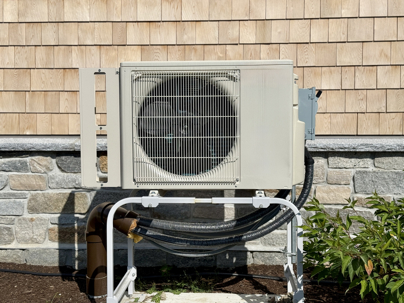
The refrigerant line set is two copper tubes that connect your outdoor heat pump to the indoor coil, usually near your air handler or furnace. One is the smaller liquid line, which carries high-pressure liquid refrigerant inside, and the other is the larger suction line, which carries cool vapor from the indoor coil back to the compressor. These lines might run through crawlspaces, attics, walls, or even underground sleeves, so you rarely see more than a few feet near the unit.
Over the life of a system, refrigerant and compressor oil circulate through these lines thousands of times. When a compressor burns out, a line leaks, or several repairs are brazed into the copper, contaminants are left behind inside the tubing. Those contaminants can include burnt oil, tiny metal particles, and moisture pulled in from the air while the system was open. Even if the old system is removed and the ends are capped, a film of that contaminated oil and residue usually remains inside.
When a contractor connects a new heat pump to those same lines, new refrigerant and oil mix with whatever is still there. Acids can form, sludge can break loose, and debris can start circulating immediately, even though everything looks shiny and new on the outside. From day one, that brand-new compressor is working in a dirty environment. The system may cool or heat normally at first, but chemical and mechanical damage has already started inside the sealed loop.
We hear from Greenville homeowners regularly who are told that an early failure was due to a "bad unit" or "bad luck." In our experience, when a compressor fails early and the line set was simply reused without proper evaluation, contamination is often a big part of the real story. The copper in your walls matters just as much as the box sitting on the pad.
What Contamination Inside Refrigerant Lines Really Looks Like
Because refrigerant lines are sealed, it is easy to think of them as either leaking or fine, with nothing in between. Inside that copper, the reality is more complicated. Moisture, acids, burnt oil, and solid debris can all coexist and attack a new system in different ways. You cannot see this from the outside, and often you cannot smell it until a technician opens part of the system and gets a whiff of burnt, acrid oil.
Moisture is one of the biggest enemies. Anytime a system is open to the air, such as during a repair or after a leak, humid air from Greenville’s climate can enter the lines. That moisture clings to the copper walls and mixes with refrigerant and oil once the system is closed again. Chemically, moisture reacts with refrigerant to form acids. Those acids travel through the entire system and slowly etch metal surfaces, including copper windings inside the compressor motor.
Burnt oil and carbon are another problem, especially after a compressor burnout. When a compressor overheats and fails, the oil can cook, turning dark and acidic. Carbon particles and degraded oil spread into the line set and indoor coil. Even if you remove the failed compressor, a significant amount of that contaminated oil stays in the pipes and coil. Metal shavings from worn components or from brazing during past repairs can also lodge in the lines, ready to circulate again when a new system goes in.
Greenville’s humidity makes all of this worse. When technicians do not pull a deep, measured vacuum on the system during installation, moisture that is trapped in the lines simply stays there. That moisture does not just sit. Under operating conditions, it reacts and forms acids that raise the system’s internal acidity level every time the heat pump runs. This is one reason two systems installed the same way in different climates can have very different failure patterns. In a hot, humid area like the Upstate, poor evacuation and line contamination tend to show up faster and more aggressively.
How Contaminated Lines Kill Compressors From the Inside Out
The compressor is the heart of your heat pump. Inside the shell, an electric motor and pumping mechanism work together to move refrigerant around the loop. The motor windings are insulated, the bearings ride on a thin film of oil, and precision valves open and close as refrigerant moves through. Contamination in the line set goes straight to this heart and starts damaging it long before you see a comfort problem.
Acids formed from moisture and decomposed refrigerant attack the insulation on the motor windings inside the compressor. Over time, this insulation can become brittle or dissolve, which may lead to shorted windings. A shorted winding usually means sudden compressor failure, often described as an electrical burnout. To the homeowner, it looks like a surprise breakdown, but chemically it has been developing over many hours of run time as acids quietly ate away at insulation.
Solid debris like carbon, metal particles, and sludge travel with the oil and refrigerant. These tiny bits can damage compressor valves, score bearing surfaces, and clog small passages. When bearings and scrolls or pistons lose their smooth surfaces and proper oil film, friction and heat go up. That extra heat further breaks down oil and refrigerant, which creates even more acids and sludge. In some cases, contaminants also plug the metering device at the indoor coil, starving the evaporator and causing the compressor to run hot and stressed.
This is why a system can seem to run fine for months after a new heat pump is installed on old lines. The temperatures in the house look normal and the thermostat behaves, but inside the sealed system, acids are eating insulation and abrasive particles are grinding through moving parts. When the compressor finally fails, it is tempting to point to a defective part. From what we have seen over decades in Upstate South Carolina, repeated compressor failures on the same set of lines are a clear sign that contamination and underlying installation issues were never resolved.
When our team is called to a Greenville home that has lost two compressors on the same system, we do not stop at swapping another unit. We start looking hard at the line set and the cleanup steps that were taken last time, because the real culprit is often still hiding in the copper.
Shortcuts During Replacement That Leave Greenville Homes at Risk
Most homeowners only see the front end of a heat pump replacement, such as the quote, the crew arriving, and a new outdoor unit and indoor coil going in. What happens between disconnecting the old system and starting the new one makes a huge difference to long-term reliability. Unfortunately, some common shortcuts during that window are exactly what allow contaminated refrigerant lines to ruin a new heat pump.
One shortcut is reusing the old line set without any meaningful evaluation. On a quick changeout, a crew may simply disconnect the old equipment, connect the new equipment to the existing copper, and move on. They might visually check for obvious kinks or leaks, but they do not test for acids, do not verify line sizing, and do not perform a proper pressure test with nitrogen. From the outside, it looks fine. Inside, old oil and contaminants are waiting for the first run cycle.
Another shortcut is a rushed or shallow evacuation. Pulling a vacuum is how we remove air and moisture from the system before charging it with refrigerant. Doing this correctly requires good vacuum pumps, proper hoses, and a micron gauge to measure how deep the vacuum really is. On a rushed job, the vacuum may be pulled for a short time, the tech may look only at the low-side gauge, and then the system is charged. Without a micron reading and a standing vacuum test, it is very easy to leave moisture and non-condensable gases trapped in the lines.
After a severe burnout, some installers rely solely on a quick flush chemical as a fix. While flushing products have a place, they are not magic. On long or complex line runs, especially in older Greenville homes with lines routed through walls and attics, flush alone often cannot remove all of the burnt oil and carbon. Without follow-up steps like installing suction line filter driers and verifying acid levels over time, the new compressor is essentially installed into a dirty system.
These shortcuts can make a quote look cheaper and a job go faster. They also raise the odds of moisture-related acid formation, sludge circulation, and future warranty disputes. At Five Star Plumbing Heating Cooling and Electrical, our technicians are trained and screened to avoid these traps. Their job is not to finish as fast as possible, it is to do the work that protects your new equipment and your warranty, even if that means recommending line set work that another contractor skipped.
How Line Set Decisions Affect Manufacturer Warranties and Your Wallet
Most heat pump manufacturers design their warranties around systems that are installed on clean, properly sized, and properly evacuated line sets. The warranty is there to protect you from true manufacturing defects, not from problems tied to leftover acids, moisture, or debris in the piping. When a compressor fails and the evidence points to contamination or poor installation practices, the manufacturer can push back on covering that failure.
From the homeowner’s point of view, this is where a cheap install can become very expensive. If a contractor reuses questionable lines without testing, skips serious evacuation, or ignores signs of past burnout, the odds of a contamination-related failure go up. If the compressor fails out of warranty or if a claim is disputed because the system was not installed on a clean, dry, and properly prepared line set, the cost of a new compressor or even a new system can come out of your pocket. The savings from the low bid disappear quickly in that scenario.
There is also the cost of comfort to consider. An installation that cuts corners on line sets can deliver uneven performance, higher energy bills, and more frequent service calls long before an outright failure happens. Each visit adds to your total cost of ownership, even if individual repairs seem small at the time. A system installed correctly, on a suitable or new line set with proper evacuation and filtration, has a much better chance of providing steady comfort over many years.
Our approach at Five Star Plumbing Heating Cooling and Electrical is built around honoring warranties and providing upfront, honest pricing. When we prepare a quote for a Greenville heat pump replacement, we address the line set in the proposal, not as an afterthought. If the right course involves extra cleanup or replacement, we explain why and how it protects your investment. We also offer financing options and discounts for veterans, first responders, and senior citizens, which help families choose the better long-term solution instead of feeling pushed into the lowest upfront price.
Protect Your Next Heat Pump & Call for a Line Set Evaluation
The compressor inside your heat pump is one of the most expensive components in your comfort system, and its life depends heavily on what is hidden inside the copper lines that connect your equipment. In Greenville’s humid climate, reusing contaminated refrigerant lines, rushing evacuation, or skipping proper testing turns those lines into a quiet, slow-acting threat to any new system you install. Understanding that risk puts you in a much stronger position when you review quotes and talk with contractors.
When you plan a replacement, or if you are already dealing with an early failure, this is the moment to have someone take the refrigerant line set seriously. At Five Star Plumbing Heating Cooling and Electrical, we bring decades of Upstate South Carolina experience, clear communication, and a thorough line evaluation process to every heat pump installation. We will show you what we find, explain your options for reuse, cleaning, or replacement, and help you choose the path that protects your comfort and your investment, not just the lowest upfront price.
Call (864) 306-4898 to schedule a heat pump and line set evaluation in Greenville or the surrounding area.