
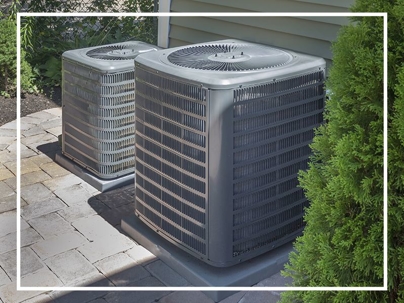
The decision comes down to whether one system should handle Greenville summer cooling and winter heating or a furnace should remain part of the setup. Cold weather doesn’t automatically rule out a heat pump, and a furnace isn’t the right choice for every home.
We’ve served homeowners across Upstate South Carolina since 1984. Choosing between a heat pump and furnace depends on how the home holds heat, its existing equipment and fuel access, its ductwork, and the household’s preferred source of backup heat.
How Heat Pumps & Furnaces Heat a Home
A furnace creates heat through combustion using natural gas, propane, or oil. An air-source heat pump uses electricity to move heat from outdoor air into the home rather than burning fuel.
A furnace supplies heat only, so it needs separate air conditioning equipment. A heat pump provides heating and cooling by reversing its refrigerant cycle with the season.
Heat pumps don’t produce heat the way gas furnaces do, but they aren’t weak heaters. An ENERGY STAR certified air-source heat pump can deliver up to three times more heat energy to a home than the electrical energy it consumes.
Cold Weather Doesn’t Rule Out a Heat Pump
Modern heat pumps continue operating in cold weather. ENERGY STAR cold-climate heat pump certification requires third-party performance testing down to 5°F, and qualifying equipment continues operating below that temperature.
Backup heat remains an important design consideration. Many all-electric systems include electric resistance heat, a set of heating elements that produces heat directly when extra capacity is needed. It supports the system during demanding conditions but uses more electricity than normal heat-pump operation. At lower temperatures, backup heat may be more efficient.
For Greenville homes, a dual-fuel system offers another option. It combines a heat pump with a gas or oil furnace, allowing the controls to select a heat source as outdoor conditions and operating costs change. The switching temperature depends on the equipment, thermostat controls, fuel prices, and the home’s heating needs.
Compare Year-Round Efficiency & Energy Use
A heat pump’s value isn’t limited to winter. Because it also replaces an air conditioner, its cooling performance matters to the purchase decision. SEER2, or Seasonal Energy Efficiency Ratio 2, measures cooling efficiency using current federal test procedures.
New residential heat pumps installed in the Southeast, including South Carolina, must meet a federal minimum of 14.3 SEER2. ENERGY STAR certification requires at least 15.2 SEER2. Higher ratings can reduce cooling energy use, but the rating alone doesn’t predict a home’s monthly bill.
Operating costs also depend on electricity and fuel prices, insulation, air leakage, thermostat habits, and correct equipment sizing. The U.S. Department of Energy reports that modern heat pumps can reduce electricity used for heating by up to 75% compared with electric resistance heating. That figure is useful for homes relying on electric strip heat, not as a direct cost comparison with every gas furnace.
One comfort difference is worth experiencing in person: heat-pump supply air often feels cooler at the vent than furnace air. A properly selected system maintains the thermostat setting with steady heat rather than noticeably hot bursts of air.
Match the System to the Home
No equipment label answers the whole question. Use these scenarios to discuss heat pumps and furnaces for Greenville homes with an HVAC professional:
- All-Electric Heat Pump
This approach fits homes where year-round comfort from one system is the priority and the electrical capacity, heating load, and ducts support the design. - Gas Furnace With Air Conditioning
This setup remains relevant when an existing gas connection, a preference for furnace heat, or equipment compatibility supports retaining fuel-fired heating. - Dual-Fuel System
This design fits homeowners who want a heat pump for routine comfort while retaining furnace backup for selected colder conditions.
Heating load is the amount of heat a home needs to maintain the desired indoor temperature during cold conditions. A load calculation considers the home’s size, insulation, windows, air leakage, and other factors. It is more useful than choosing replacement equipment based only on the old unit’s capacity.
Homeowners with both a furnace and heat pump should generally use the heat pump for normal heating. Federal guidance also recommends maintaining a steady thermostat setting instead of making large temperature setbacks while away, which can trigger backup heat during recovery.
Plan Around the Home, Not an Expired Tax Credit
Federal incentives shouldn’t drive a replacement decision based on outdated information. The federal Energy Efficient Home Improvement Tax Credit under Section 25C applied to qualifying air-source heat pumps installed through December 31, 2025. It expired for equipment placed in service after that date and isn’t available for 2026 installations.
Before an HVAC installation, inspect the ductwork and airflow along with the equipment. Leaks and poor airflow can limit the performance of either a furnace or heat pump, even when the new equipment has strong efficiency ratings.
What a Home-Specific HVAC Evaluation Should Cover
The recommendation should come from the house as it exists, not a general equipment comparison. We review the heating load, existing fuel options, electrical capacity, ductwork, comfort concerns, and component compatibility before recommending an all-electric or dual-fuel approach.
After HVAC work, we perform post-service testing by verifying electrical connections, measuring refrigerant levels, and monitoring airflow output. These checks matter because a heat pump relies on refrigerant movement, airflow, and electrical controls to operate as designed.
Before a replacement evaluation, note rooms that remain uncomfortable, concerns about energy use, and whether you want to retain or change your current fuel source. These details provide a clearer starting point than choosing between a heat pump and furnace by equipment rating alone.
Five Star Plumbing Heating Cooling and Electrical provides Heat Pump Installation, Heat Pump Repair, and Heat Pump Maintenance for homeowners in Upstate South Carolina and parts of Western North Carolina. For a home-specific system assessment or 24/7 emergency heating and cooling help without added evening or weekend charges, reach us at (864) 306-4898.